
Logistics · Topic overview
Distribution Logistics: Complete Guide for B2B Distributors
Learn how to run warehouse, inventory, fulfillment, freight, and transport operations that improve fill rate and reduce total landed cost.
Logistics · Topic overview
Learn how to run warehouse, inventory, fulfillment, freight, and transport operations that improve fill rate and reduce total landed cost.
For most distributors, logistics is the largest controllable cost center after product cost. Warehousing, picking, freight, and returns directly affect margin, while service failures quickly reduce reorder frequency from key accounts.
Strong logistics execution improves fill rate, on-time delivery, and inventory turns at the same time. That combination increases customer retention and frees working capital for growth instead of emergency replenishment.
Operational stability comes from connecting demand planning, warehouse execution, transportation, and customer service workflows. When these functions run in silos, teams create conflicting priorities that increase stockouts and expedite spend.
A practical model is to monitor one shared scorecard: order cycle time, perfect order rate, cost per order shipped, and inventory days on hand. Shared metrics align leaders around total performance instead of isolated local improvements.
Many distributors can improve service by redesigning process discipline before adding headcount or facilities. Examples include tighter replenishment parameters, slotting high-velocity SKUs near packing stations, and carrier selection by service tier.
Use pilot programs at one warehouse or territory, then scale proven changes. This approach reduces execution risk and creates internal benchmarks that help operations leaders secure budget with measurable ROI.
The spoke guides in this cluster break logistics into practical components: warehouse management, inventory policy, fulfillment design, domestic and international shipping, and sustainability strategy. Each guide is written for B2B distribution operating teams.
Use these resources as a step-by-step roadmap to modernize logistics capability while protecting service levels during implementation. Start with your current bottleneck, then build a phased operating plan across all eight topics.
Explore 8 step-by-step articles in Logistics.
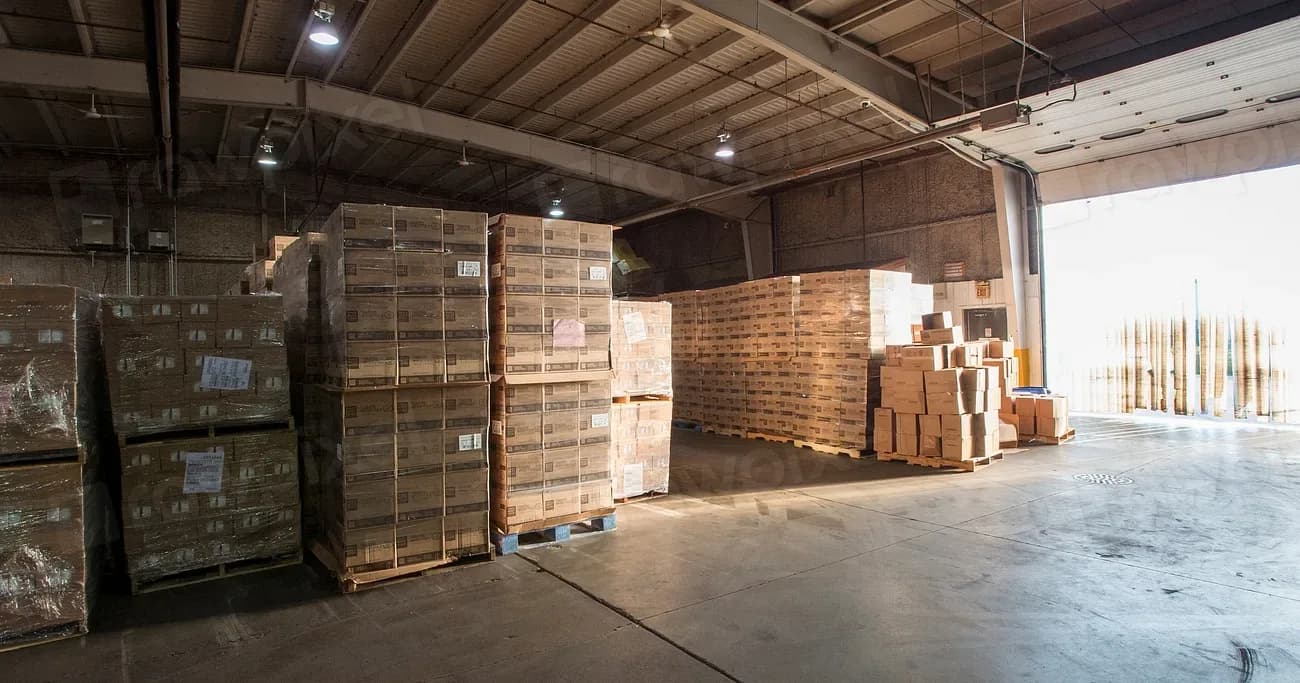
Warehouse Management for Distributors: Layout, Labor, and Accuracy
Design warehouse operations that increase pick productivity, reduce errors, and support multi-channel B2B fulfillment.
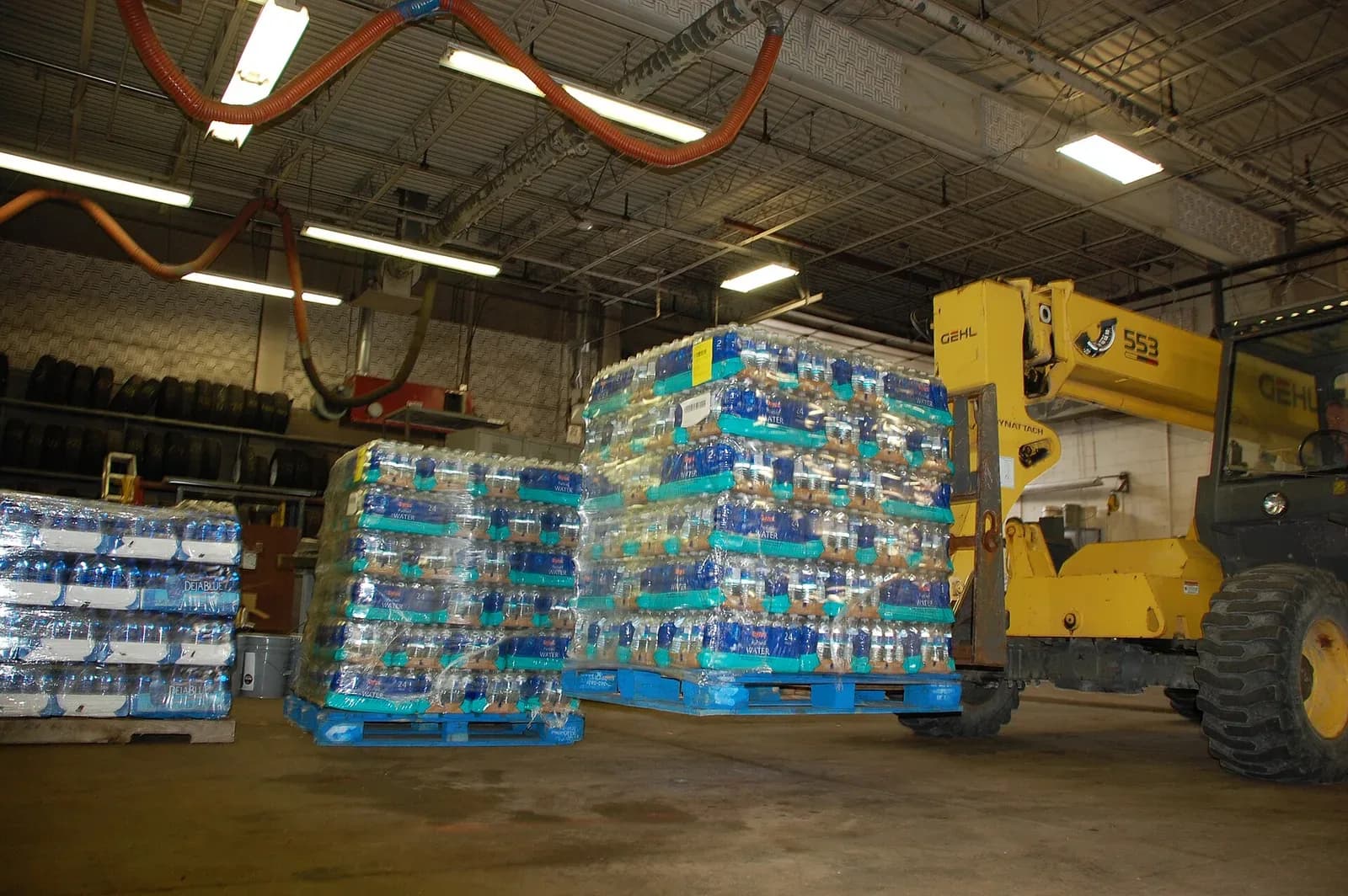
Inventory Management for Distribution: Replenishment and Working Capital
Set inventory policies that protect fill rates while reducing excess stock and cash tied up in slow-moving items.
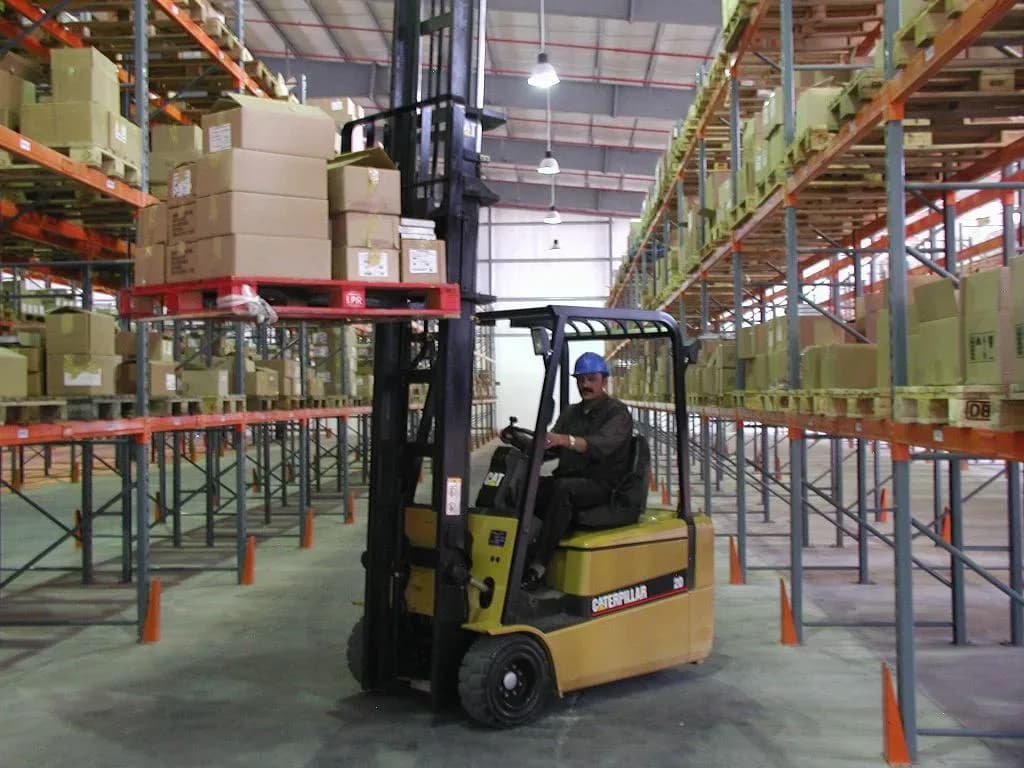
What Is 3PL? How Distributors Evaluate Third-Party Logistics Partners
Understand when to use 3PL providers, how to compare options, and how to manage service-level agreements effectively.
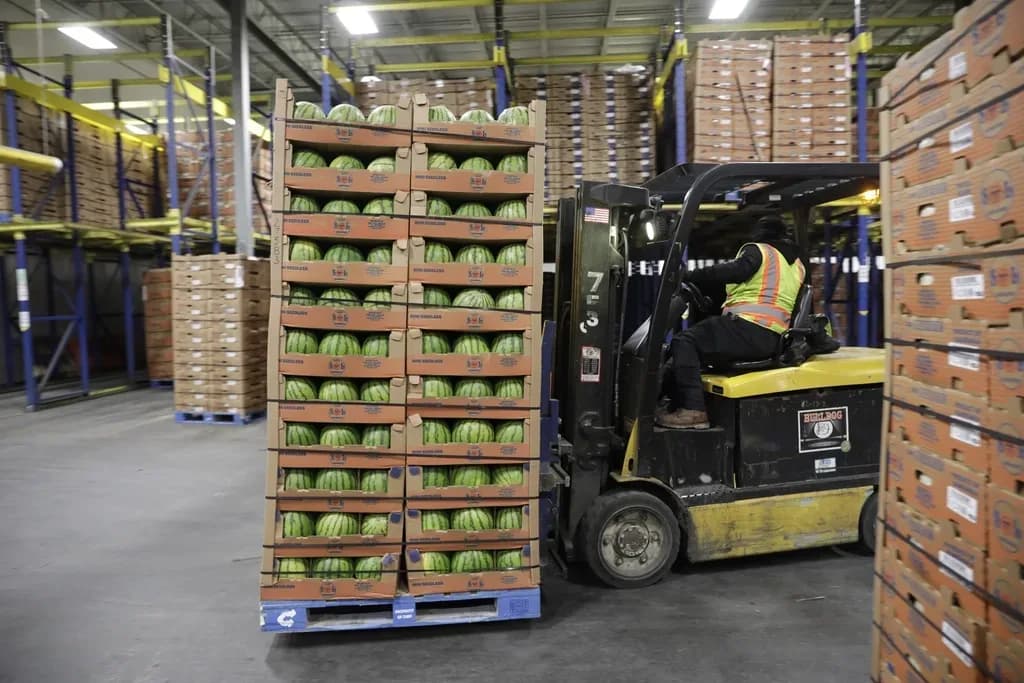
Order Fulfillment Process for Distributors: From PO to Proof of Delivery
Map and optimize the fulfillment workflow to shorten cycle time, improve perfect-order rate, and reduce rework.
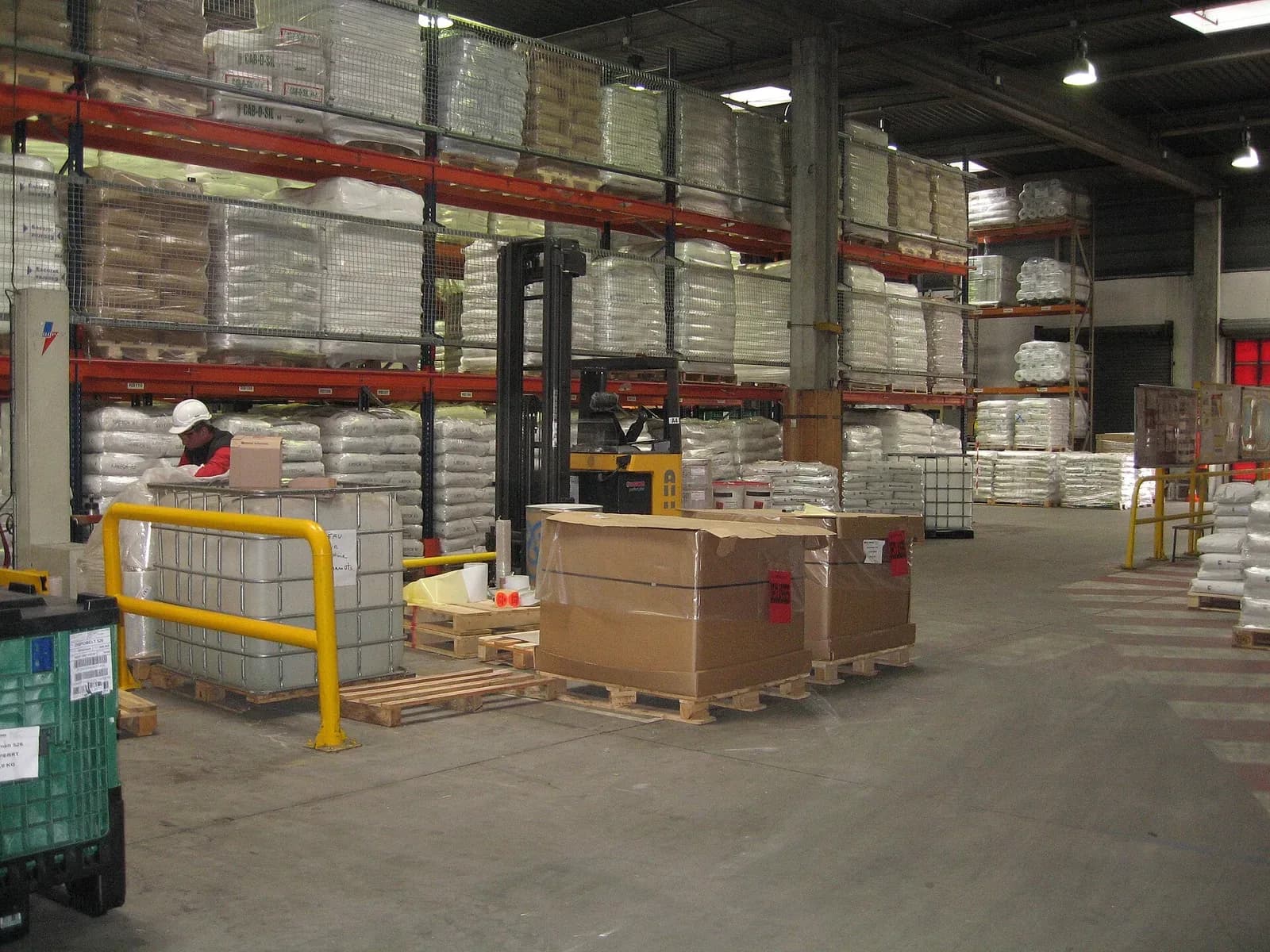
Shipping and Freight for Distributors: Cost Control and Service Reliability
Manage parcel, LTL, and FTL shipping programs that balance freight cost, transit reliability, and customer commitments.
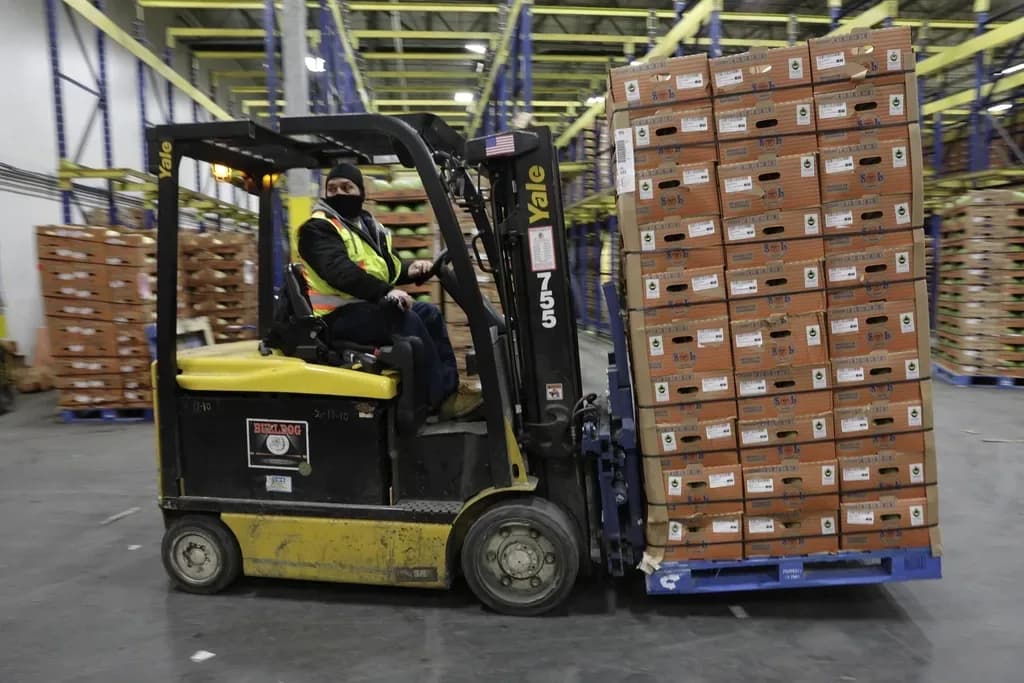
Supply Chain Management Basics for Distributors
Learn the core supply chain principles distributors need to align sourcing, inventory, logistics, and customer service.
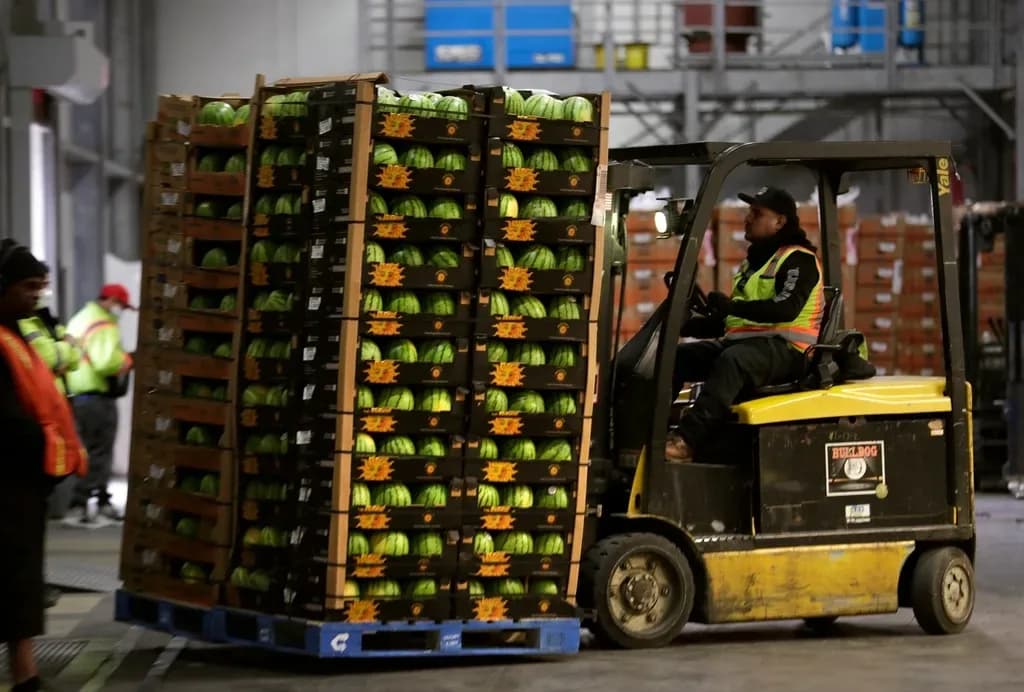
International Shipping Guide for Distributors
Plan global shipping operations with better control of Incoterms, customs compliance, lead times, and landed cost.
Sustainable Transport Services for Distribution Businesses
Adopt practical transport sustainability initiatives that reduce emissions, improve efficiency, and support customer ESG requirements.

James Cole has spent 15+ years in wholesale distribution and supply chain operations, helping B2B companies scale from startup to multi-warehouse operations.
Last updated July 7, 2026