Logistics
What Is 3PL? How Distributors Evaluate Third-Party Logistics Partners
Understand when to use 3PL providers, how to compare options, and how to manage service-level agreements effectively.
What 3PL means in distribution operations
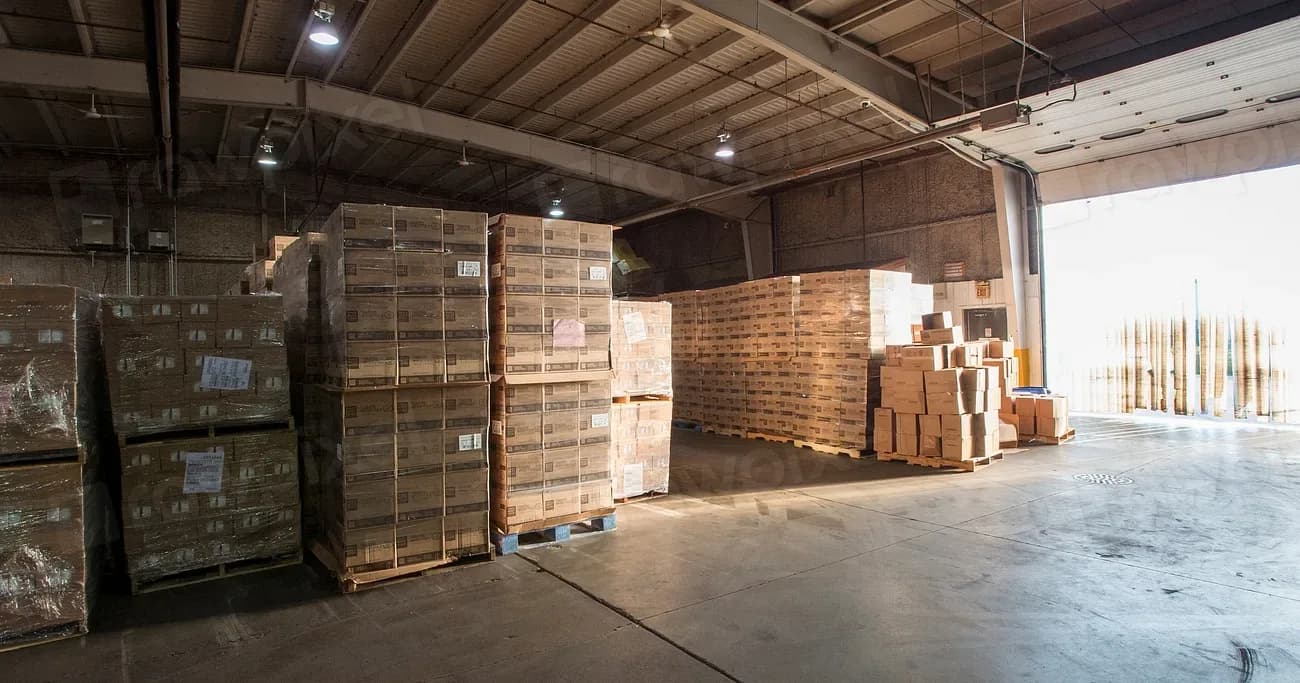
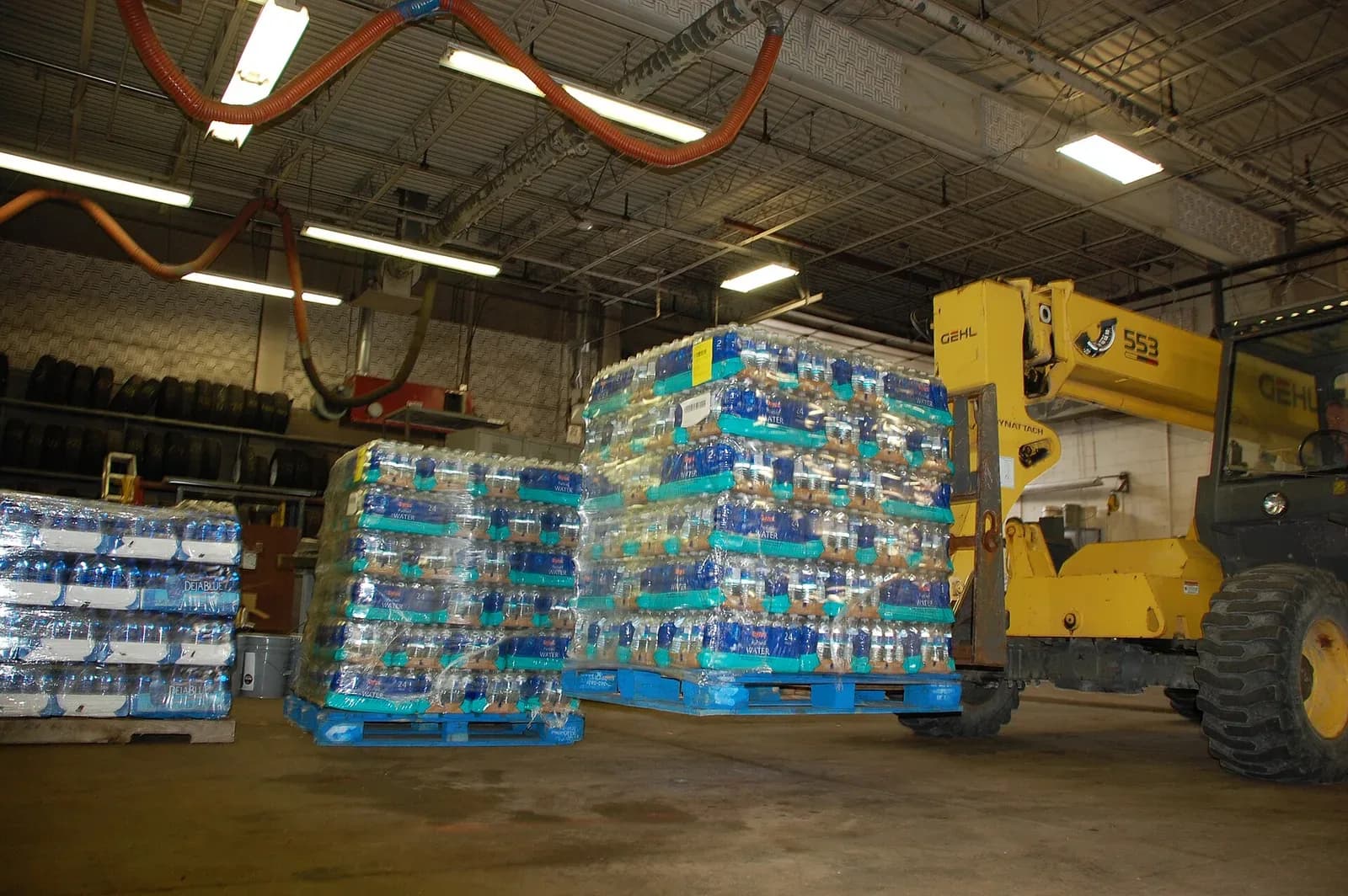
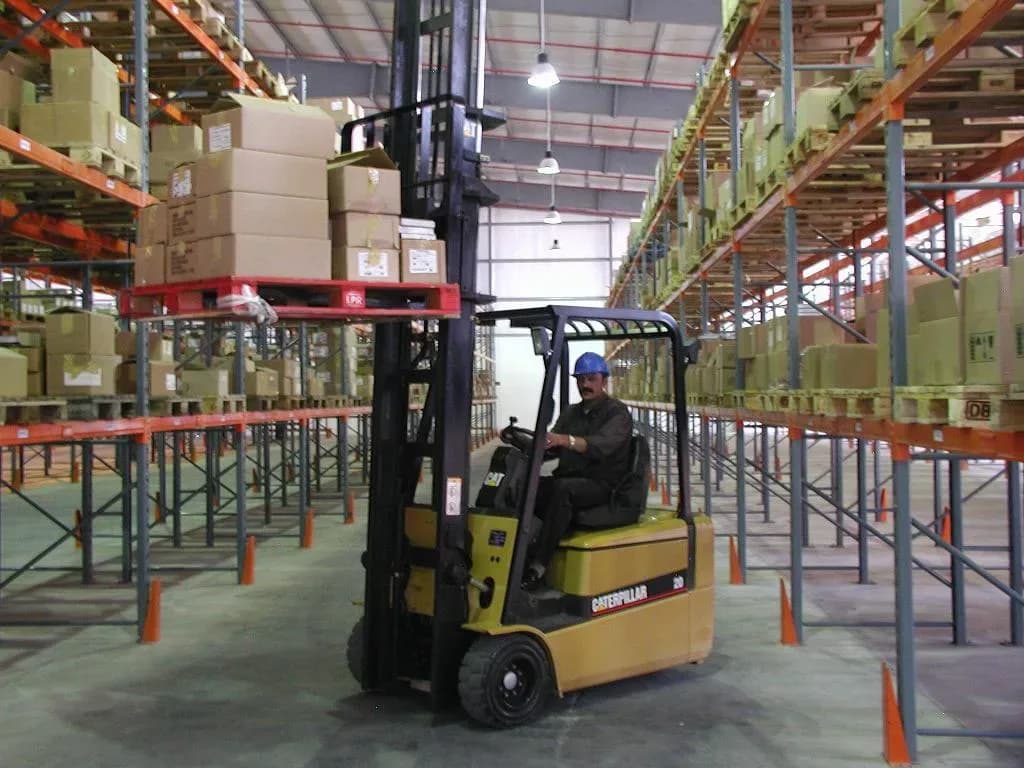
A third-party logistics provider manages logistics functions such as warehousing, fulfillment, transportation, or returns on behalf of a distributor. The scope can range from regional overflow support to full outsourced operations.
For growing distributors, 3PL partnerships can accelerate market expansion without immediate facility investment. However, value depends on fit between service model, product profile, and customer expectations.
When outsourcing logistics makes business sense
3PL is often attractive when order volume is volatile, geographic reach is expanding, or internal operations are capacity constrained. Outsourcing converts fixed logistics costs into more variable cost structures.
It may be less suitable when products require specialized handling that few providers support, or when customer commitments require custom workflows that are hard to replicate externally.
How to choose and contract a 3PL partner
Selection should include operational capability, technology integration, labor stability, and account management quality. Site visits and process walkthroughs are essential before finalizing provider selection.
Contracts should define SLAs for accuracy, on-time shipment, inventory integrity, and claims management. Clear escalation paths and quarterly business reviews help maintain accountability over time.
How to govern 3PL performance after go-live
Transition planning should include data migration checks, process training, and contingency protocols for high-volume periods. Early governance determines whether partnership value is realized or lost in execution gaps.
Ongoing scorecards with shared root-cause analysis keep teams aligned on continuous improvement. The strongest 3PL relationships operate as strategic partnerships, not transactional vendor arrangements.

James Cole
James Cole has spent 15+ years in wholesale distribution and supply chain operations, helping B2B companies scale from startup to multi-warehouse operations.
Last updated July 7, 2026
More in this topic
- Distribution Logistics: Complete Guide for B2B Distributors
Learn how to run warehouse, inventory, fulfillment, freight, and transport operations that improve fill rate and reduce total landed cost.
- Warehouse Management for Distributors: Layout, Labor, and Accuracy
Design warehouse operations that increase pick productivity, reduce errors, and support multi-channel B2B fulfillment.
- Inventory Management for Distribution: Replenishment and Working Capital
Set inventory policies that protect fill rates while reducing excess stock and cash tied up in slow-moving items.
- Order Fulfillment Process for Distributors: From PO to Proof of Delivery
Map and optimize the fulfillment workflow to shorten cycle time, improve perfect-order rate, and reduce rework.