Logistics
Warehouse Management for Distributors: Layout, Labor, and Accuracy
Design warehouse operations that increase pick productivity, reduce errors, and support multi-channel B2B fulfillment.
Build a warehouse layout around velocity
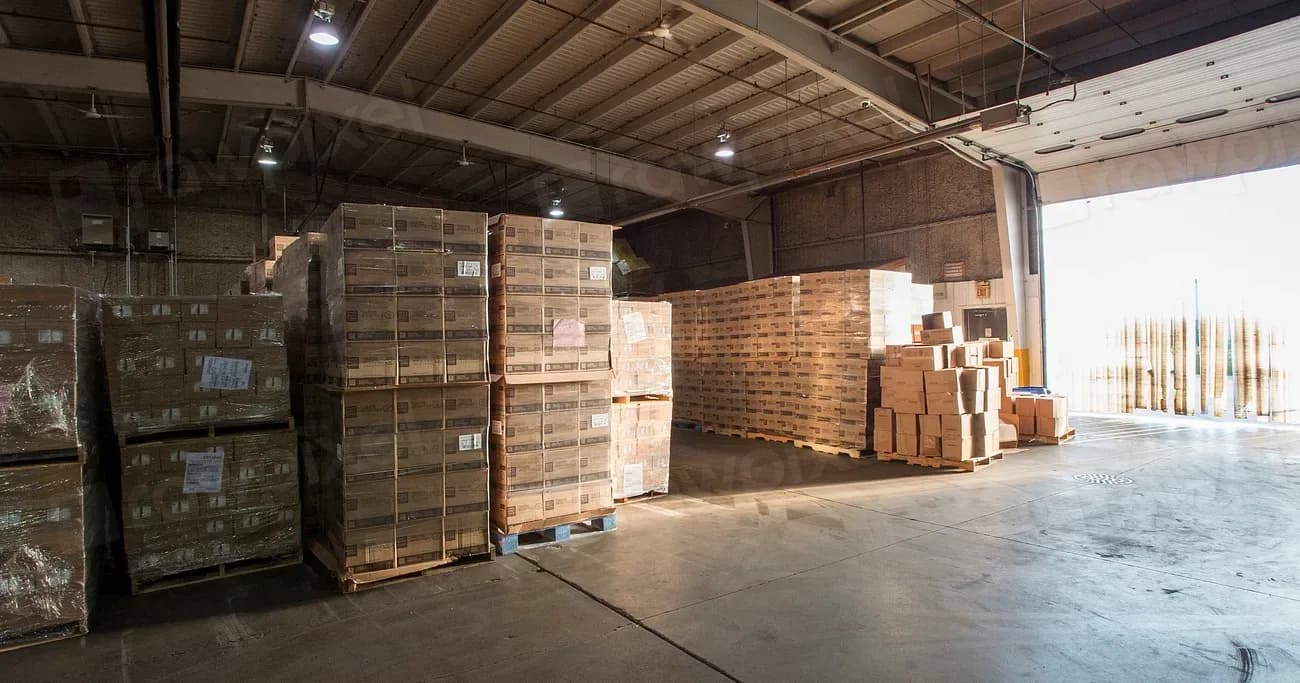
Warehouse performance starts with slotting design. High-velocity SKUs should sit in forward pick zones near packing to shorten travel distance and reduce labor minutes per order.
Distributors with broad catalogs often benefit from zone-based layouts that separate fast movers, medium movers, and reserve storage. This structure improves replenishment flow and keeps congestion manageable during peak windows.
Standardize receiving and put-away processes
Receiving accuracy determines downstream order accuracy. Teams should use standardized inbound checks for quantity, condition, lot tracking, and ASN matching before stock is released for sale.
Put-away rules should be system-guided, not based on tribal knowledge. Directed put-away improves space utilization and makes cycle counting more reliable across shifts.
Improve pick-pack quality and labor productivity
A documented pick-pack sequence with barcode validation reduces mis-picks and short shipments. This is especially important for case-pack and mixed-SKU orders common in B2B distribution.
Labor planning should combine historical order profiles with day-of demand signals. Flexible staffing and clear productivity standards lower overtime costs without harming same-day cutoff performance.
Track warehouse KPIs that matter
Monitor order accuracy, lines picked per hour, dock-to-stock time, and inventory record accuracy as core warehouse indicators. These metrics provide a balanced view of service quality and operating efficiency.
Leaders should review KPI trends weekly and connect corrective actions to root causes, not symptoms. Continuous improvement works best when supervisors own action plans at the process level.

James Cole
James Cole has spent 15+ years in wholesale distribution and supply chain operations, helping B2B companies scale from startup to multi-warehouse operations.
Last updated July 7, 2026
More in this topic
- Distribution Logistics: Complete Guide for B2B Distributors
Learn how to run warehouse, inventory, fulfillment, freight, and transport operations that improve fill rate and reduce total landed cost.
- Inventory Management for Distribution: Replenishment and Working Capital
Set inventory policies that protect fill rates while reducing excess stock and cash tied up in slow-moving items.
- What Is 3PL? How Distributors Evaluate Third-Party Logistics Partners
Understand when to use 3PL providers, how to compare options, and how to manage service-level agreements effectively.
- Order Fulfillment Process for Distributors: From PO to Proof of Delivery
Map and optimize the fulfillment workflow to shorten cycle time, improve perfect-order rate, and reduce rework.